About the network

The South Asian Trials Methodology Research Network is a new community of practice within The Global Health Network that brings together people interested in improving the design, conduct, analysis, reporting and impact of clinical trials in South Asia. This community is a forum where resources, best practices and experiences are shared, collaboration is fostered and people are enabled to commence and continue important methodological work. Regular online meetings, joint projects and events seek to enable peer support, promote capacity strengthening and advance methodological work in the region.

The Network is open to anyone that shares the vision of making clinical trials more relevant, acceptable, equitable, inclusive, efficient and impactful in South Asia – Afghanistan, Bangladesh, Bhutan, India, Maldives, Nepal, Pakistan, and Sri Lanka – regardless of physical location, professional background or career stage.


What is Trials Methodology Research?

As indicated above, Trials Methodology Research is research aimed at improving how trials are designed, conducted, analysed and reported. The remit is extensive, evolving and includes a range of methods - qualitative, quantitative and mixed – to address issues such as poor recruitment rates, missing data, evaluations of complex interventions and consent in emergency contexts. This field of study evolved primarily in the United Kingdom and Ireland, with support from the Medical Research Council (MRC), resulting in two active national networks - HRB-TMRN (Ireland) and MRC-NIHR TMRP (United Kingdom). The South Asian Trials Methodology Research Network builds on these successful initiatives to expand, formalise and contextualise this important discipline in the region of South Asia.

Read more here about priorities for trials methodology research in the United Kingdom and here for a priority setting exercise outlining a methodological research agenda for low- and middle-income countries.


Trials Methodology Research in South Asia

Against the backdrop of the COVID-19 pandemic and the importance of pandemic preparedness, the World Health Assembly recognised the need for more efficient and equitable evidence generation in 2022 with the adoption of resolution WHA75.8 on strengthening clinical trials. The aspiration to improve the trials ecosystem is highly relevant to South Asia, which suffers from a high burden of disease and lags in the generation of locally relevant evidence. Increasing capacity to conduct trials in the region necessitates consideration of the unique social, political, economic and cultural context. These have an impact on research priorities, the way consent decisions are made and the types of patient-centred outcome measures that should be used.

Trials Methodology Research is necessary to adapt trials to the South Asian context. A great deal is already being done in the region, yet it is rarely described as Trials Methodology Research, and no coordinated effort exists to inform, support or guide such research. The Network is specifically focused on developing Trials Methodology Research as a distinct field of study in South Asia by bringing together an interdisciplinary group of people, scoping existing initiatives and defining priorities and collaborative projects as a community of practice.

Read the viewpoint article by one of the co-leads of the Network on the importance of Trials Methodology Research for India.


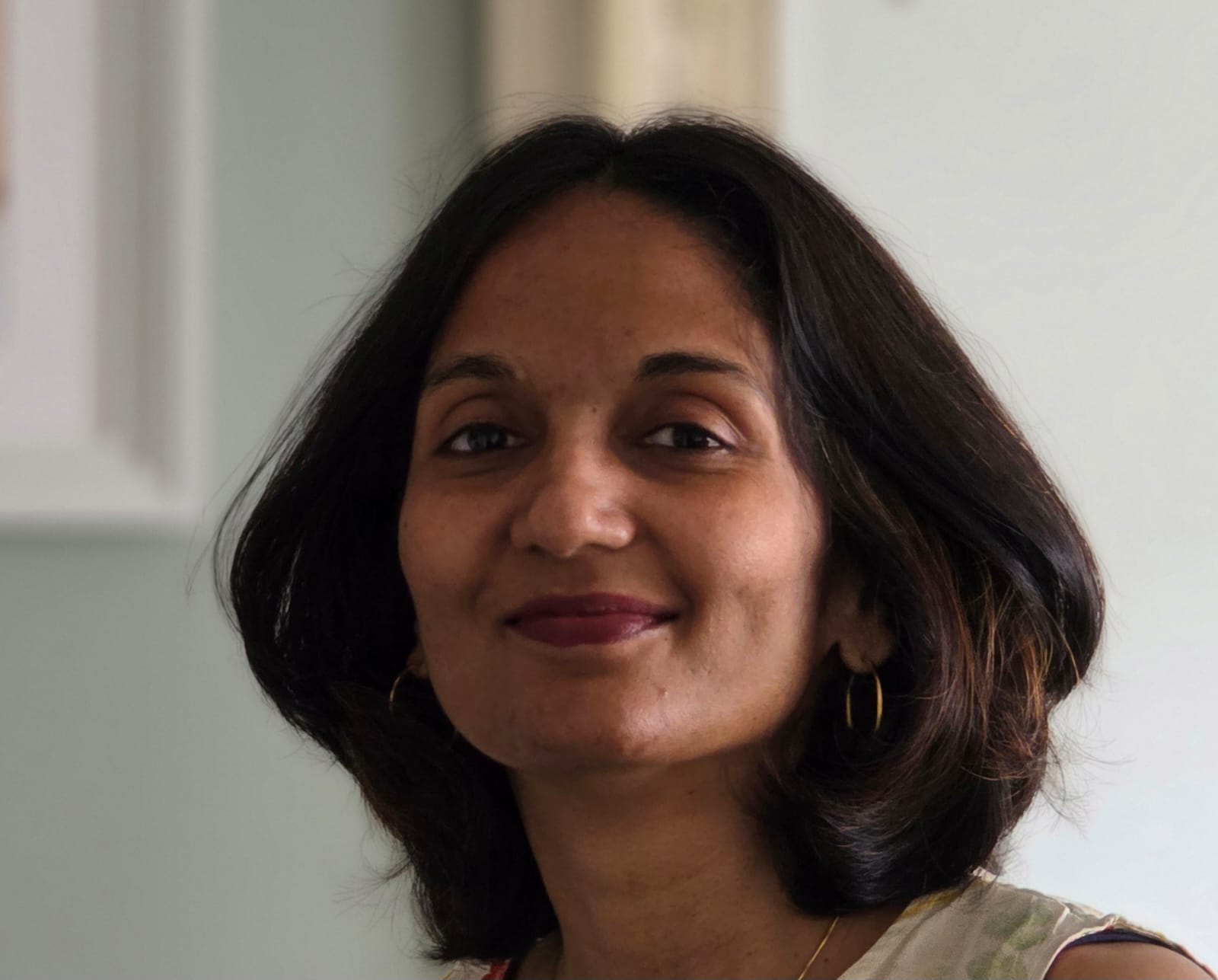
Sangeeta Paramasivan

Dr Sangeetha Paramasivan

Dr Sangeetha Paramasivan is a Senior Research Fellow in Qualitative Research Methodology and the Internationalisation Director at the Bristol Medical School, University of Bristol. Her research focusses on identifying and addressing recruitment and informed consent issues in challenging clinical trials as a core member of the QuinteT (Qualitative research integrated within Trials) team. She has contributed towards major multi-centre trials across diverse clinical areas, including surgery, obesity, urology and cancer. Over the past few years, she has been working towards improving global majority representation in clinical trials in the UK and India. She co-leads the ‘Inclusivity within Research Processes’ short course at Bristol and is the QuinteT lead for Inclusion and Global Health. She has undertaken scoping reviews and feasibility work on trials methodology research in India, and has a particular interest in bi-directional knowledge exchange across the Global South and North. She regularly teaches and learns from conducting trials methodology and qualitative research methods workshops in India.

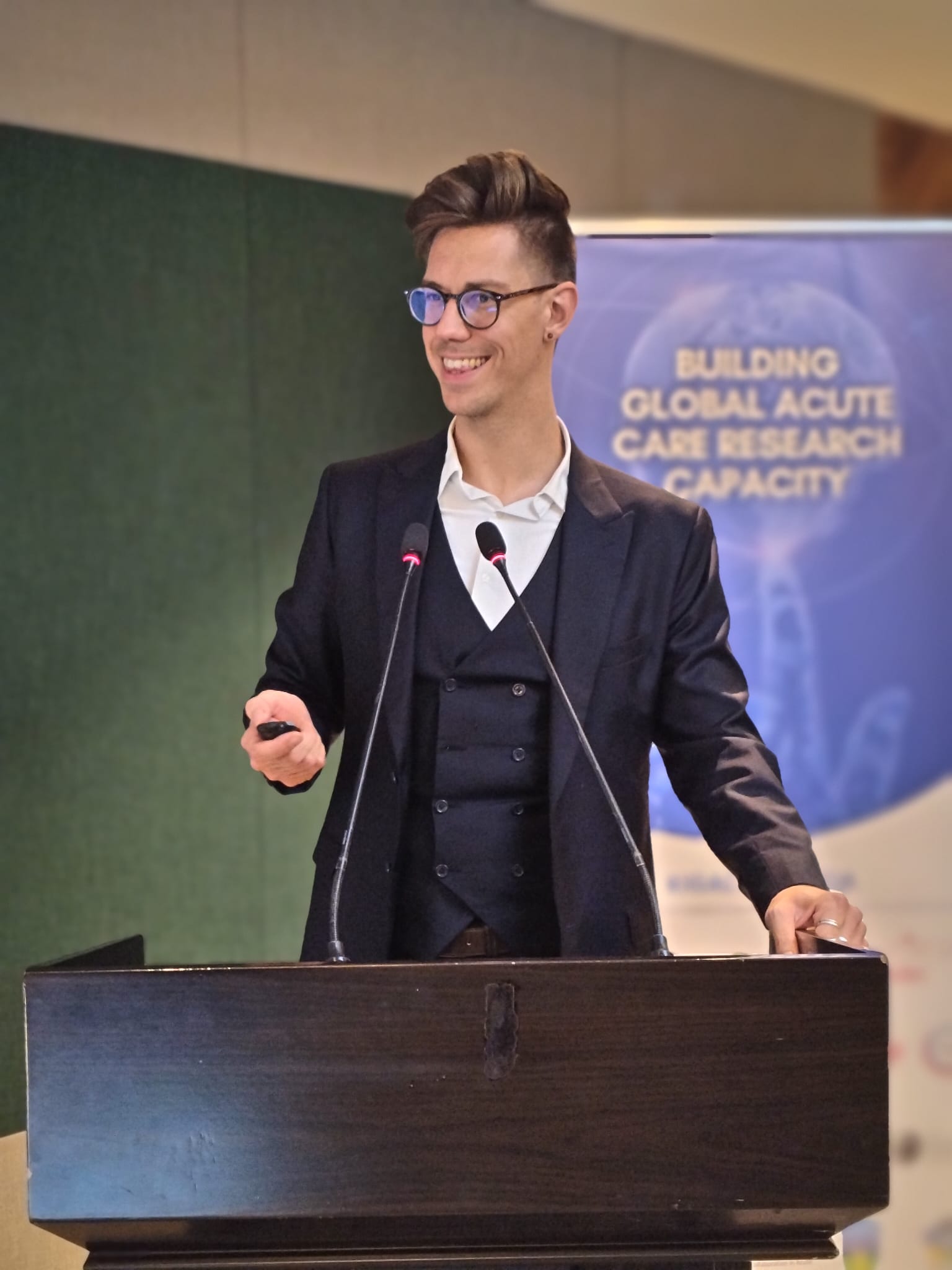
Timo Tolppa

Dr Timo Tolppa

Dr Timo Tolppa is Adjunct Faculty at Ziauddin University (Pakistan), PhD candidate at the University of British Columbia (Canada) and Research Fellow at ICNARC (a critical care research organisation in the United Kingdom) working to address global research inequities. His work focuses on incorporating randomised controlled trials into routine clinical care in intensive care units across South Asia. This includes adapting trial consent processes to the cultural, religious and social context of Pakistan, exploring the use of real-world data in trials and determining local research priorities for acute pneumonia in Nepal. Dr Tolppa has acted as the South Asian regional trial manager for large international intensive care trials (Mega-ROX, REMAP-CAP), co-leads a national public involvement initiative in Pakistan and contributes as Teaching Faculty to a regional research training programme (CREDO). Dr Tolppa has a particular interest in pragmatic trials, research ethics and mentoring, and volunteers for the charity Global Health Film.

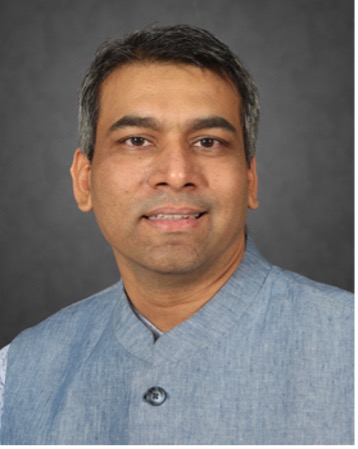
Mohan Kamath

Professor Mohan Shashikant Kamath

Prof. Mohan S. Kamath currently heads the Department of Reproductive Medicine and Surgery at the Christian Medical College, Vellore, India. He completed his residency in obstetrics and gynaecology at the Armed Forces Medical College, Pune. He further subspecialized in Reproductive Medicine from Christian Medical College, Vellore, India. He completed his Master's in clinical trials at University College London in 2023. He was awarded the prestigious Commonwealth fellowship in Reproductive Medicine by the Commonwealth Scholarship Commission in 2012 and the honorary Fellow of the Royal College of Obstetrics and Gynecology in 2023. In 2024 and 2025, he was among the top 2% scientists in the world as per the Stanford University Ranking. He has been in editorial board positions in international journals such as Human Reproduction Open and European Journal of Obstetrics and Gynaecology & Reproductive Biology, as well as in the Cochrane Gynaecology and Fertility group. He has more than 120 publications, and his area of interest is endometriosis and polycystic ovarian syndrome. He firmly believes that evidence-based medicine practice reduces overall healthcare costs and is of particular help in low-resource settings.